


Laser Resurfacing in New Jersey
Are you looking for a way to achieve flawless, glowing skin? Laser resurfacing is a revolutionary treatment that can help you get the clear, smooth skin you’ve been dreaming of. With this procedure, you can reduce the appearance of wrinkles, lines, age spots, and other skin imperfections.
In this guide, you’ll learn all about the process of laser resurfacing, from preparation to aftercare. Read on to find out how you can get the skin of your dreams with laser resurfacing.




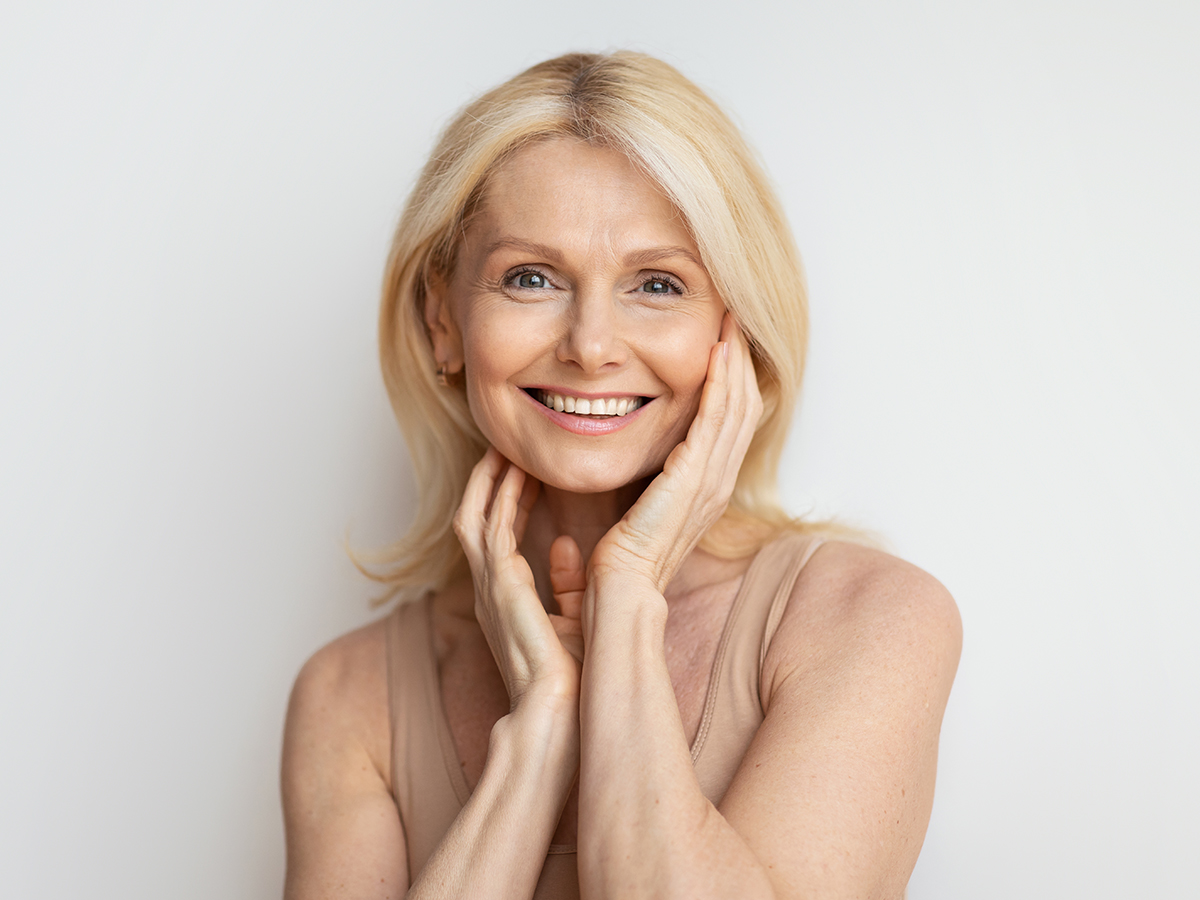
What is Laser Resurfacing?
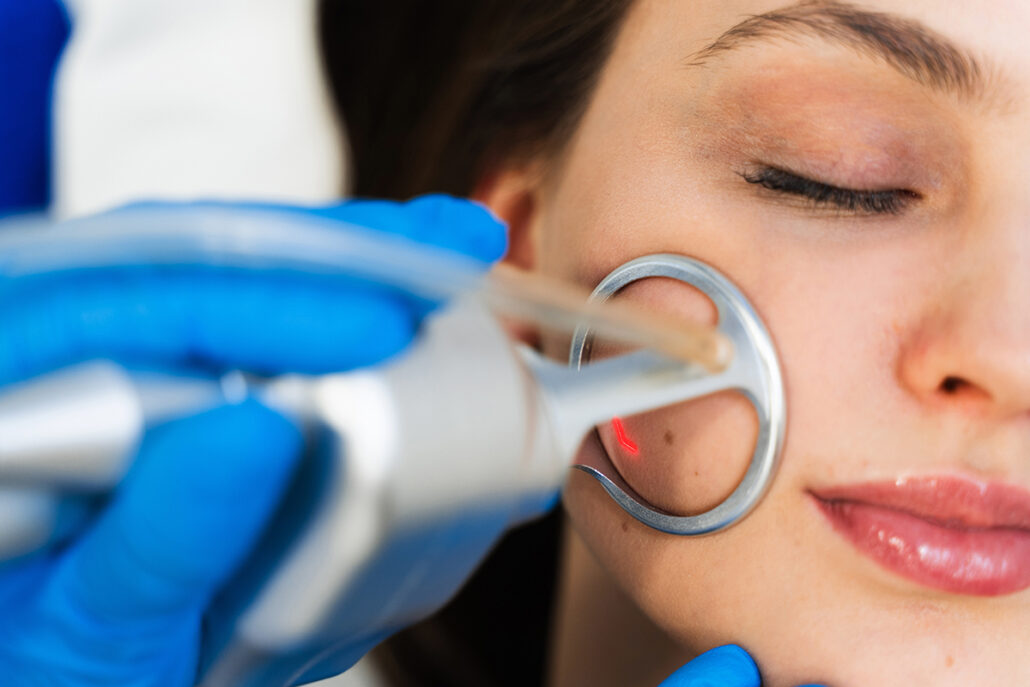
Laser rejuvenation is a modern cosmetic technique that uses advanced laser technology to improve the overall appearance of the skin. This technique specifically focuses on removing damaged skin cells and promoting the growth of fresh, healthy skin. This treatment does the following:
- Reduces the appearance of wrinkles, lines, age spots, and other skin imperfections.
- Promotes collagen production, enhancing skin elasticity and texture.
- Helps in the removal of damaged skin cells, allowing fresh, healthy skin to grow.
- Provides a safe and effective way to achieve smoother, more youthful-looking skin.
- Targets deep wrinkles, scars, and skin discoloration.
- Stimulates collagen production, further improving the skin’s texture and elasticity.
- Long-lasting results, although there may be some downtime for recovery.
Benefits of Laser Resurfacing
Laser resurfacing is a revolutionary treatment that can help you achieve the perfect skin you’ve always wanted. It can improve a variety of skin imperfections such as wrinkles, age spots, and lines. Here are more benefits of this amazing treatment:
Flawless Skin
Laser resurfacing can reduce the visibility of wrinkles and blemishes to give you smoother, younger-looking skin.
Long-Lasting Results
The effects of laser resurfacing usually last for many years so you won’t have to worry about touch-ups for a long time.
Minimal Downtime
The recovery process after laser resurfacing is typically very quick, so you don’t need to take much time off work or everyday activities.
Candidate for Laser resurfacing
A candidate for laser resurfacing is someone who is looking to improve the appearance of their skin. This procedure can help people with concerns like wrinkles, fine lines, acne scars, sun damage, or uneven skin tone and texture. It has various benefits for individuals dealing with these issues. Laser resurfacing is suitable for both men and women of various ages and skin types.
Before undergoing laser resurfacing, it is important to consult with a dermatologist to determine if this treatment is right for you. The dermatologist will evaluate your skin condition, discuss your goals and expectations, and review your medical history. This is done to determine if you are a suitable candidate for the procedure.
In addition to consultation, there are some important steps to take to prepare for laser resurfacing. It is recommended to avoid sun exposure and wear sunscreen for several weeks prior to the procedure.
This helps to reduce the risk of complications and ensures the best possible results. Certain medications and supplements that may increase the risk of bleeding during the procedure should be stopped. Your dermatologist will provide you with specific instructions based on your individual circumstances.
Preparing for Your Treatment
Proper preparation is essential to achieve smoother, more youthful-looking skin safely. Because laser resurfacing uses precise energy to remove damaged skin and stimulate new collagen, following a few vital steps will ensure optimal results:
- Consultation: An expert evaluation is necessary to customize your treatment, especially since darker skin tones may require specialized care.
- Sun Protection: Strictly avoid sun exposure and wear sunscreen daily for several weeks prior to your procedure.
- Medication Adjustments: Stop taking certain medications or supplements that might increase the risk of bleeding.
- Plan for Comfort: Your surgeon will discuss using a topical anesthetic cream to maximize your comfort during the treatment.
Cosmetic procedures should always be performed by an experienced surgeon. By following these steps and your doctor’s personalized instructions, you minimize risks and pave the way for a safe, successful rejuvenation.
Laser Resurfacing Risks
While laser skin resurfacing is a popular treatment for acne scarring, facial wrinkles, and stimulating new collagen, there are some potential risks associated with the procedure. Common Side Effects & Considerations:
- Redness and Swelling: It is normal to experience temporary redness and swelling as the treated outer layers of your skin begin to heal.
- Skin Color Changes: You may notice temporary changes in your skin's pigmentation during the recovery process.
- Cold Sores: In rare cases, the heat generated by the laser can trigger cold sores. This risk can be effectively minimized by taking prescribed antiviral medication before and after your treatment.
- Consultation is Key: To ensure your safety and determine if you are a suitable candidate, it is vital to discuss your complete medical history and concerns with your specialist prior to treatment.
With proper preparation, expert care, and strict adherence to your doctor’s instructions, you can safely minimize these risks and enjoy a smoother, more youthful-looking complexion.
Types of Laser Resurfacing
Ablative laser resurfacing
Ablative laser resurfacing involves utilizing a laser with intense energy to eliminate the outermost layers of the skin during treatment. This procedure is effective for treating deep wrinkles, scars, and skin discoloration. The laser heats the skin during ablative laser resurfacing.
This causes the outer layers of the skin to peel off. As a result, a smoother and more youthful-looking complexion is revealed. This treatment stimulates collagen production, which further improves the skin’s texture and elasticity. Ablative laser resurfacing may require downtime for recovery, but the results are often long-lasting.
Non-ablative laser resurfacing
Non-ablative laser resurfacing is another type of laser treatment that can help improve the appearance of the skin. Unlike ablative laser resurfacing, non-ablative treatments do not remove the top layers of skin.
Instead, they target the deeper layers of skin with heat, stimulating collagen production and promoting skin rejuvenation. Non-ablative laser resurfacing is generally less invasive and requires less downtime compared to ablative treatments.
It can be used to address issues such as fine lines, mild wrinkles, and skin texture irregularities. However, it may require multiple sessions to achieve optimal results.
Fractional laser resurfacing
Fractional laser resurfacing is a type of laser treatment that can significantly improve the appearance of the skin. This procedure works by targeting small, precise areas of the skin with the laser, leaving the surrounding skin untouched.
The process creates tiny wounds in specific areas. This stimulates the body’s natural healing process and encourages the production of collagen and elastin. Fractional laser resurfacing is effective for treating various skin concerns.
These concerns include wrinkles, fine lines, acne scars, sun damage, and uneven skin tone or texture. This treatment is popular because it provides noticeable results with minimal downtime. Many individuals choose this treatment to achieve smoother, more youthful-looking skin.

Improve Skin Texture and Tone With Laser Resurfacing
Laser Resurfacing Aftercare Tips
- Keep skin clean and dry
- Apply prescribed ointments and creams to reduce inflammation
- Avoid sun exposure and wear sunscreen to protect the skin from UV rays
- Avoid strenuous activities that could cause excessive sweat accumulation
- Drink plenty of water to stay hydrated
Cost of Laser Skin Resurfacing
The average cost of laser skin resurfacing is typically between $2,500 and $5,000 per treatment. Laser Resurfacing cost can vary depending on the type of laser used, the area being treated, and the number of treatments needed. The price is usually lower when laser resurfacing is done in combination with other cosmetic procedures.
Laser skin resurfacing is considered a surgical procedure and it can be expensive. Before starting a treatment, it is crucial to consult with a board-certified dermatologist who specializes in laser resurfacing procedures.
This ensures that you receive an accurate assessment of your condition. It is important to choose a dermatologist who has experience in this specific area to ensure the best possible outcome. Taking the time to consult with a professional can help you make an informed decision about your course of treatment.
Many medical centers offer payment plans or discounts to help make the cost more manageable for patients.
Click here to request your consultation with Dr. Schrader.
Laser Skin treatment: Our Lasers
MICRO-LASER PEEL
- Face
- Eyes
- Lips
FRACTIONAL LASER TREATMENT
- Level 1
- Level 2
LASER HAIR REMOVAL
- Face
- Lip
- Underarm
- ½ Legs
INTENSE PULSED LIGHT
- For hyper-pigmentation, sun damage, rosacea and active acne.
- We recommend a series of 3-5 treatments.
- Face/Neck
- Hands
- Chest
Laser Resurfacing Treatments
Phototherapy
BBL BroadBand Light technology uses the power of pulsed light to deliver excellent phototherapy results. By selecting the precise wavelength, Dr. Schrader gently heats the upper layers of the skin to treat conditions caused by aging and sun exposure.
This targeted heat stimulates collagen growth to restore a healthier, younger-looking complexion. Additionally, the photothermal energy effectively targets and eliminates the fine vessels causing redness, as well as the unwanted melanin responsible for pigmented lesions.
Skin Firming
SkinTyte deeply heats soft tissue with infrared energy while protecting the entire treated area with sapphire contact cooling. Targeted heating causes soft tissue coagulation, tightening tissue as it heals and stimulating collagen contraction and remodeling.
This triggers the body’s natural healing process, creating a robust new foundation of collagen that ultimately leads to firmer, more youthful-looking skin. Because this relies on natural collagen production, it takes several months to see the final, optimal results.
Skin Resurfacing
A computer-controlled Sciton laser precisely scans the skin to reverse the effects of aging, sun damage, and environmental pollutants. Dr. Schrader expertly controls the ablation depth for either light or deep peels, replacing old tissue with a fresh, healthy layer.
Full field resurfacing treats the entire surface to eliminate sun spots, improve skin tone, and smooth fine lines to deep wrinkles, including upper lip lines and crow’s feet. Alternatively, fractional resurfacing removes pinpoint columns of skin for deep collagen remodeling, leaving surrounding tissue intact for rapid healing.
Wrinkle Reduction
Ablative and non-ablative laser or light wavelengths can create thermal tissue injury which accelerates the wound-healing process. Fibroblasts generate new collagen, plumping the skin and correcting skin imperfections. After a procedure, dermal collagen matrix rejuvenation causes visible wrinkles, scars, tone and texture to soften or be eliminated.
Permanent Hair Reduction
Laser or light energy is selectively absorbed by the melanin in hair follicles and converted to heat, diffusing to and injuring growth factors in the bulb and bulge. Effective hair reduction can only be achieved during the active growth phase and hair reduction is considered permanent when a significant amount of hair does not return for a period of time longer than the complete growth cycle. After a series of treatments, most hair is permanently removed. However, if hair does regrow it will be finer and lighter than before.




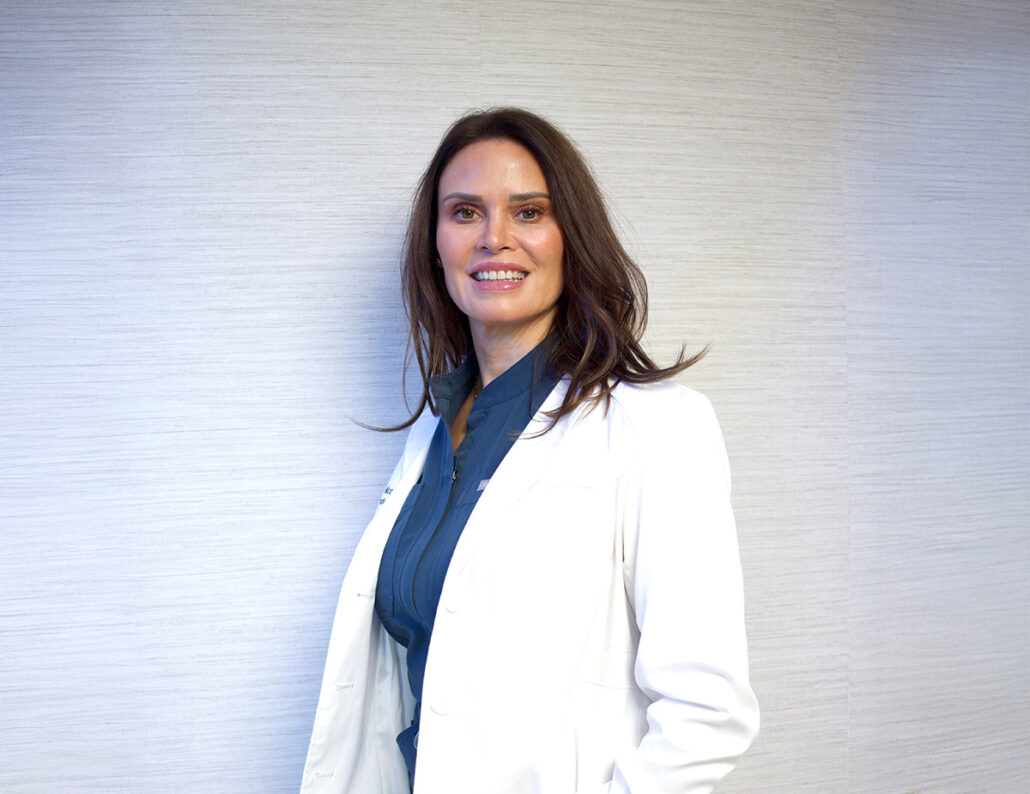
Why Choose Dr. Nicole Schrader
When considering transformative skin treatments, choosing an expert with a proven track record is essential for achieving safe, natural-looking results. At Schrader Plastic Surgery, we are dedicated to providing you with the highest quality care. Dr. Schrader’s goal is to enhance your facial aesthetics and boost your self-esteem through personalized, cutting-edge treatments, backed by her exceptional medical expertise:
- She is a double board-certified facial plastic surgeon.
- Dr. Schrader is a member of the American Academy of Facial Plastic Surgery.
- She has over 20 years of experience, 15+ years in private practice, and has performed hundreds of facelift surgeries.
- Dr. Schrader Recognized as Best Plastic Surgeon by Town Topics Readers’ Choice Awards.
Laser Resurfacing Frequently Asked Questions
Which skin conditions can laser resurfacing effectively address?
Laser resurfacing can treat various skin conditions. These include fine lines and wrinkles, acne scars, sun damage, age spots, and uneven skin tone.
Is laser resurfacing painful?
The level of discomfort during laser resurfacing may vary depending on the individual and the intensity of the treatment. However, most people experience minimal pain during the procedure and can manage any discomfort with topical anesthesia or pain medication.
What is the typical duration of the recovery period following laser resurfacing?
The recovery time for laser resurfacing can vary depending on the depth and intensity of the treatment.
Usually, it takes 1-2 weeks for the skin to fully heal. However, it may take a few months for the full results to be noticeable.
Are there any side effects or risks associated with laser resurfacing?
Like any cosmetic procedure, laser resurfacing carries some risks. Common side effects include redness, swelling, itching, and mild discomfort. In rare cases, more serious complications such as infection or scarring may occur.
Before getting laser resurfacing, it is crucial to talk to a qualified dermatologist or plastic surgeon. This consultation will help you understand the possible risks and benefits involved.
How many sessions of laser resurfacing are required to achieve optimal results?
The number of laser resurfacing sessions needed for optimal results can vary. This variation depends on the individual’s skin condition and desired outcome. Some people may see significant improvement after just one session, while others may require multiple treatments spaced several weeks apart.
Is it feasible to integrate laser resurfacing with additional cosmetic procedures?
Yes, laser resurfacing can often be combined with other cosmetic procedures to enhance the overall results. Common combinations include laser resurfacing with dermal fillers, Botox injections, or other skin rejuvenation treatments. It is important to consult with a qualified professional to determine the best treatment plan for your specific needs.
What Laser Resurfacing office is near me?
If you live in the state of New Jersey, Schrader Plastic Surgery offers Laser Resurfacing among its services. For a full list of services, please visit our Locations page.